From the hallway, a furnace that will not heat looks the same no matter what broke. Inside the cabinet, though, the sequence is strict: inducer on, pressure switch closed, igniter glowing, gas valve open, burners lit, flame proven, and finally the blower sending heat through the house. Diagnosis is mostly a matter of finding where that chain breaks. In Twin Falls homes, it tends to be the same handful of culprits: a flame sensor coated in oxide, a hot surface igniter cracked by thermal cycling, a pressure switch held open by a tired inducer or a plugged condensate trap, or a control board with a burned relay.
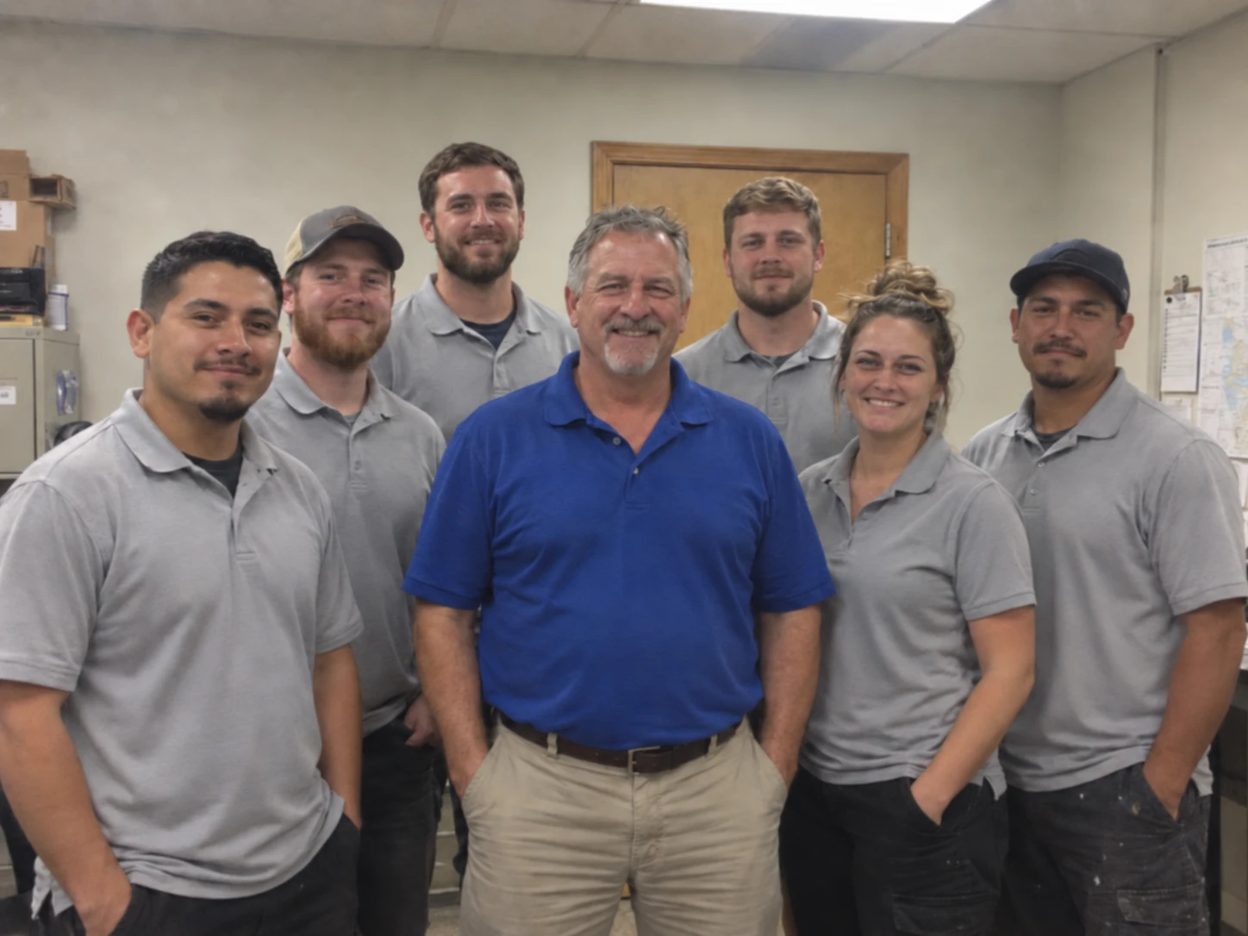
Our experienced technicians diagnose a furnace the way it operates, in order, measuring each stage as it happens. That means igniter resistance, microamp flame signal, pressure switch operation under actual inducer draft, gas valve voltage, and blower and capacitor condition. Safety checks are never optional on a gas appliance: heat exchanger inspection, leak testing on the gas connections, and flue draft verification, since a hazard rarely shows itself at the thermostat. We finish by checking temperature rise against the data plate, making sure the burner and blower are matched the way the manufacturer designed them to.
Conventional or condensing, gas, propane, or electric, we repair them all, across every major brand, including the traps, drains, and dual pressure switches that come with high-efficiency models. The parts most likely to fail are stocked on every truck: igniters, flame sensors, pressure switches, capacitors, inducer assemblies, and blower motors. That is why most repairs are finished in a single trip. If your furnace is down anywhere in Twin Falls, call (208) 208-1936 and we will get the burners lit today.
Cooling trouble instead? See AC Repair in Twin Falls.
How Much Does Furnace Repair Cost in Twin Falls?
Most furnace repairs in Twin Falls cost between $150 and $600. The price depends on which part failed and how old the furnace is. Every furnace repair starts with a real diagnosis and a clear price.
| Repair | Typical cost | What it usually means |
|---|---|---|
| Flame sensor cleaning or replacementFurnace lights, then shuts off within seconds | $80–$250 | Furnace lights, then shuts off within seconds |
| Hot surface igniter replacementNo ignition; one of the most common winter failures | $150–$400 | No ignition; one of the most common winter failures |
| Draft inducer motorStartup fan fails, furnace won't fire | $400–$1,000 | Loud humming or grinding at startup, then lockout |
| Blower motorBurners run but little or no air comes out of the vents | $400–$1,500 | Burners run but little or no air comes out of the vents |
| Control boardFurnace won't respond to the thermostat | $300–$700 | Furnace won't respond to the thermostat |
| Gas valve replacementIgniter glows but gas never flows to the burners | $250–$700 | Igniter glows but gas never flows to the burners |
These are common price ranges, not quotes. We confirm the exact price after diagnosing your system.
What Affects the Price
- Furnace age and type, because 90%+ efficiency models have more specialized parts
- A cracked heat exchanger, which is a safety issue and usually points to replacement
- Same-day or after-hours service versus a planned visit
- How easy the furnace is to reach
When a repair gets expensive on an aging furnace, you'll see both options before deciding. No heat right now? Call (208) 208-1936.
Warning Signs for Furnace Repair
Catching these issues early helps you avoid costly problems and protect your property. Here are the most common indicators that it's time to call a professional:
- Burners light, run a few seconds, then shut down repeatedly
- Water, rust stains, or black soot around the flue or cabinet
- A fan that keeps running while the registers blow cool air
- A furnace that shuts off every few minutes before the house warms up
- Yellow, wavering burner flames where they should be sharp blue
- Clicking and a glowing igniter with no burner flame
- Grinding or high-pitched squeals from the blower
- Booming or banging at light-off from delayed ignition
Early Action Saves Money
A failing capacitor, clogged condensate drain, or dirty flame sensor rarely fixes itself and usually gets more expensive to address the longer it runs. If you notice any of these signs, contact Twin Falls HVAC at (208) 208-1936 for a prompt inspection.
Furnace Repair Issues? We Can Help.
Call Twin Falls HVAC for fast, reliable service.
Call (208) 208-1936 NowFrequently Asked Questions About Furnace Repair
The Benefits of Professional Furnace Repair
The failure that matters most in a furnace is usually hidden. A cracked or corroded heat exchanger can let combustion gases into the airstream, and nothing about it is visible from the outside of the cabinet. Delayed ignition makes things worse, because each boom at light-off puts more stress on that metal. Add high voltage, a gas valve, and a flue to the same box, and there is little room for guesswork. Diagnosis is full of traps too. A high limit that keeps tripping could be a bad switch, or it could be doing exactly its job because a filter is clogged or the blower is dying, and swapping out a working switch only hides the real fault.
At Twin Falls HVAC, no symptom gets treated in isolation. A meter tells us the flame signal, so we never condemn a good sensor while the real culprit, a cracked igniter or a weak gas valve, stays in place. We confirm draft at both the pressure switch and the flue, measure temperature rise against the data plate to flag airflow problems early, and leak-test every gas connection with instruments, not a guess. When we are done, the furnace has proven itself safe and correct through a full cycle, and if it is nearing the end of its useful life, you will get an honest assessment.
What to Expect From Our Furnace Repair
We follow a proven process to ensure every repair and installation is completed to the highest standards. Here's how we handle furnace repair from start to finish:
Sequence Diagnosis
We run the furnace through its startup while we measure inducer draft, pressure switch response, igniter resistance, flame signal, and gas valve operation. The goal is to pinpoint the exact step that fails.
Safety Verification
On every visit, we inspect the heat exchanger, leak-test the gas connections, and confirm the flue is drafting. No furnace repair is complete until the unit is proven safe.
Expert Repair
We fix the confirmed fault, and since igniters, flame sensors, pressure switches, capacitors, and motors are on the truck, most furnaces are heating again the same visit.
Final Cycle Testing
The last step is a full-cycle test: temperature rise matched to the data plate, smooth ignition with no booming, and every limit switch and safety control confirmed working.
Maintenance Tips for Furnace Repair
A little routine maintenance goes a long way toward avoiding a mid-season breakdown. Here are our expert recommendations:
- Have the furnace checked every autumn, while a weak igniter or fouled sensor is still an easy fix
- Notice how the furnace sounds at startup, because a quiet light-off is healthy and a boom is not
- Give the furnace room to breathe, since a crowded utility space starves the burners of air
- Put in a fresh filter monthly through the heating season, the cheapest protection your furnace can get
- On high-efficiency models, keep the condensate trap and drain line clear and draining
- Test your CO detectors monthly and make sure each floor has one
- Store laundry supplies, especially chlorine products, well away from the furnace closet
DIY vs. Professional Furnace Repair
Some simple checks are suitable for DIY, but most heating and cooling repairs benefit from professional tools, training, and experience. Here's a comparison:
| Factor | DIY Attempt | Professional Service |
|---|---|---|
| Heat Exchanger | Damage hidden inside the cabinet | Checked every time we open the unit |
| Ignition Problems | Guesswork based on blink codes | Igniter, sensor, and valve each metered |
| Gas Connections | Connections judged by smell | Instrument leak test on each visit |
| Limit Trips | A safety device jumpered out | The airflow fault behind the trip found |
| Blower Setup | Fan speed never checked | Rise measured and blower adjusted |
| Final Check | One good start and done | Full cycles proven clean and safe |
Talk to a Furnace Repair Expert
The sooner you call, the sooner your comfort is back. Reach Twin Falls HVAC for fast service.
Call (208) 208-1936 NowFurnace Repair Across the Twin Falls Area
Our technicians handle furnace repair throughout Twin Falls and the surrounding communities, with the same upfront pricing everywhere we work.